Maintaining a clean kitchen exhaust system is essential for fire prevention and operational compliance in any foodservice establishment. In California, local authorities enforce strict safety codes governed by the National Fire Protection Association (NFPA).
Understanding NFPA 96 regulations helps commercial kitchen managers protect their investments and maintain code compliance. Schedule your regular upkeep using professional
NFPA 96 Cleaning Frequency Guidelines
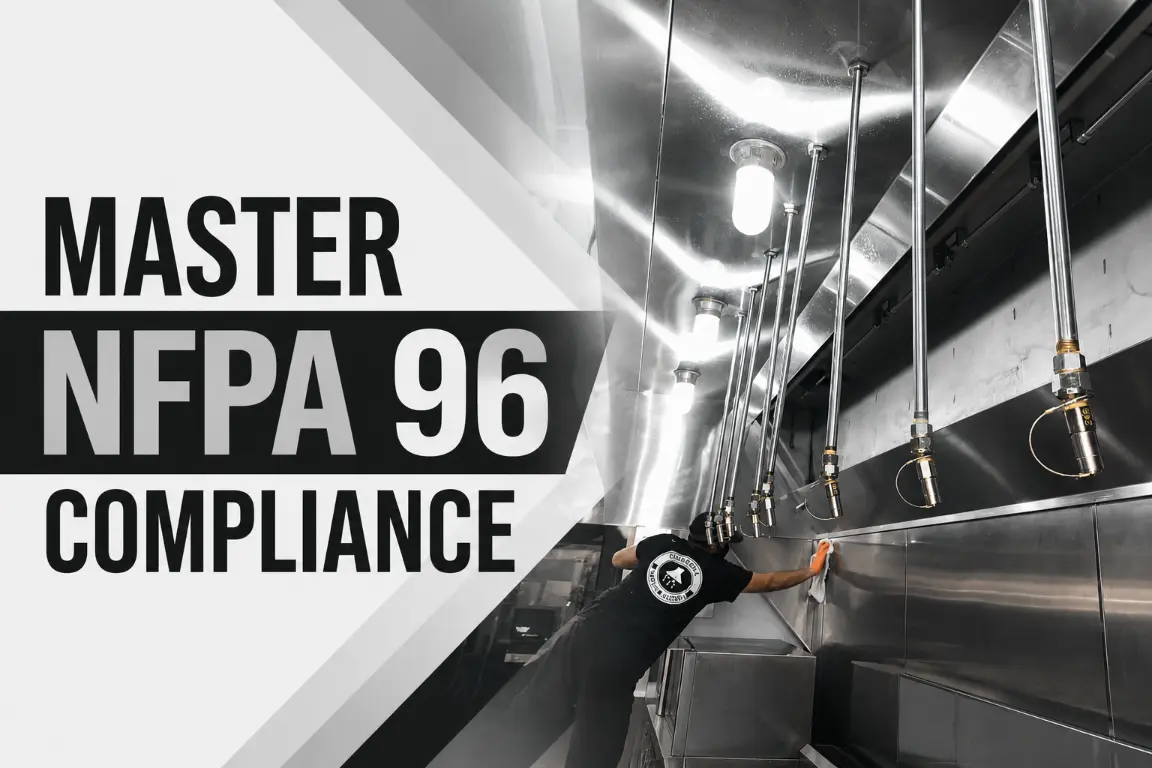
NFPA 96 Table 11.4 outlines exhaust system inspection and cleaning intervals based on your cooking volume and fuel source. While inspection measures grease depth, mandatory cleaning is required whenever buildup reaches critical levels.
So, how often does NFPA 96 require kitchen hood cleaning across different types of kitchens?
-
Monthly Cleaning: Required for high-volume solid fuel operations (such as wood-fired or charcoal cooking) and kitchens operating 24 hours a day.
-
Quarterly Cleaning: Mandated for high-volume kitchens using traditional fuel sources, such as charbroiling, wok cooking, or 24-hour operations.
-
Semiannual Cleaning: Required for moderate-volume operations, including typical sit-down restaurants and hotel kitchens.
-
Annual Cleaning: Reserved for low-volume cooking operations, such as seasonal businesses, day camps, churches, or senior centers.
Maintaining this schedule using certified
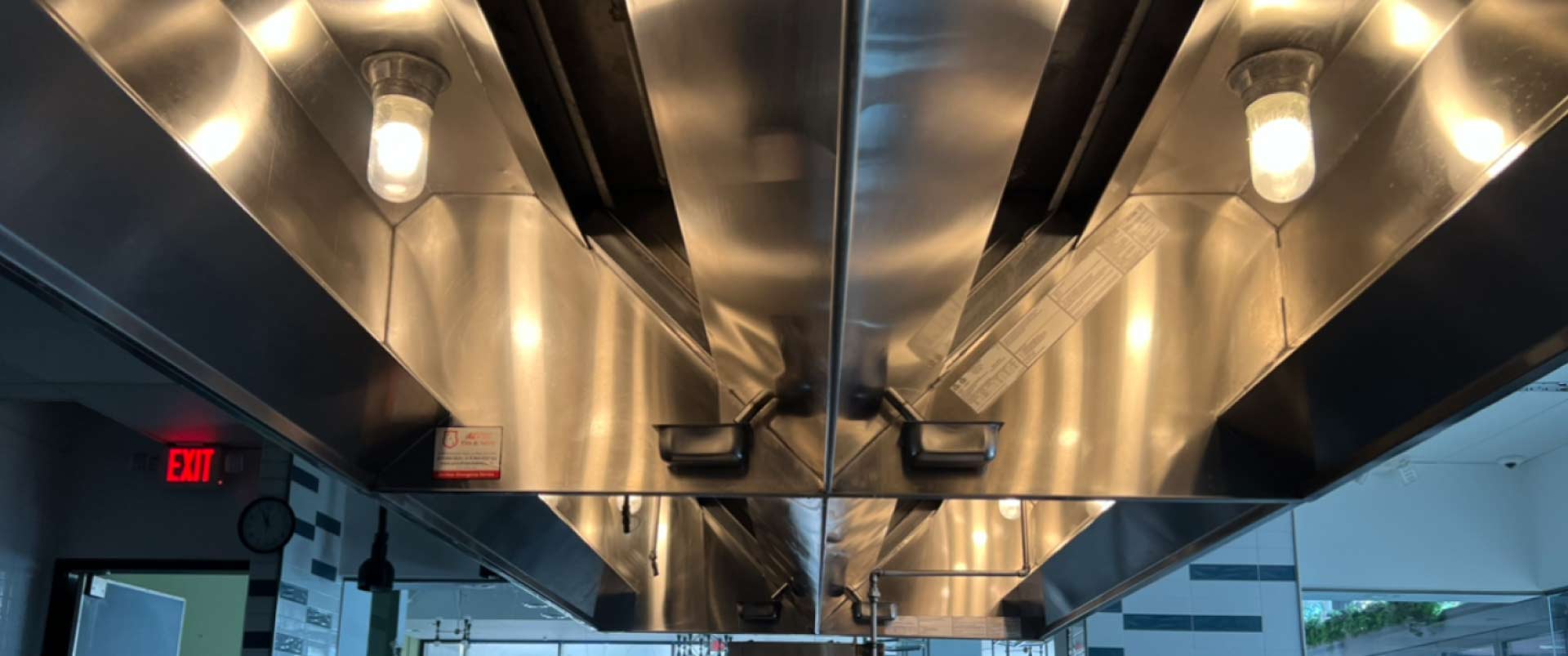
When evaluating how often does NFPA 96 require kitchen hood cleaning for your venue, remember that actual grease depth takes precedence over calendar dates. NFPA 96 specifies that if grease buildup reaches 0.002 inches (50 micrometers), the entire system must be cleaned to bare metal immediately.
Partnering with certified experts for professional
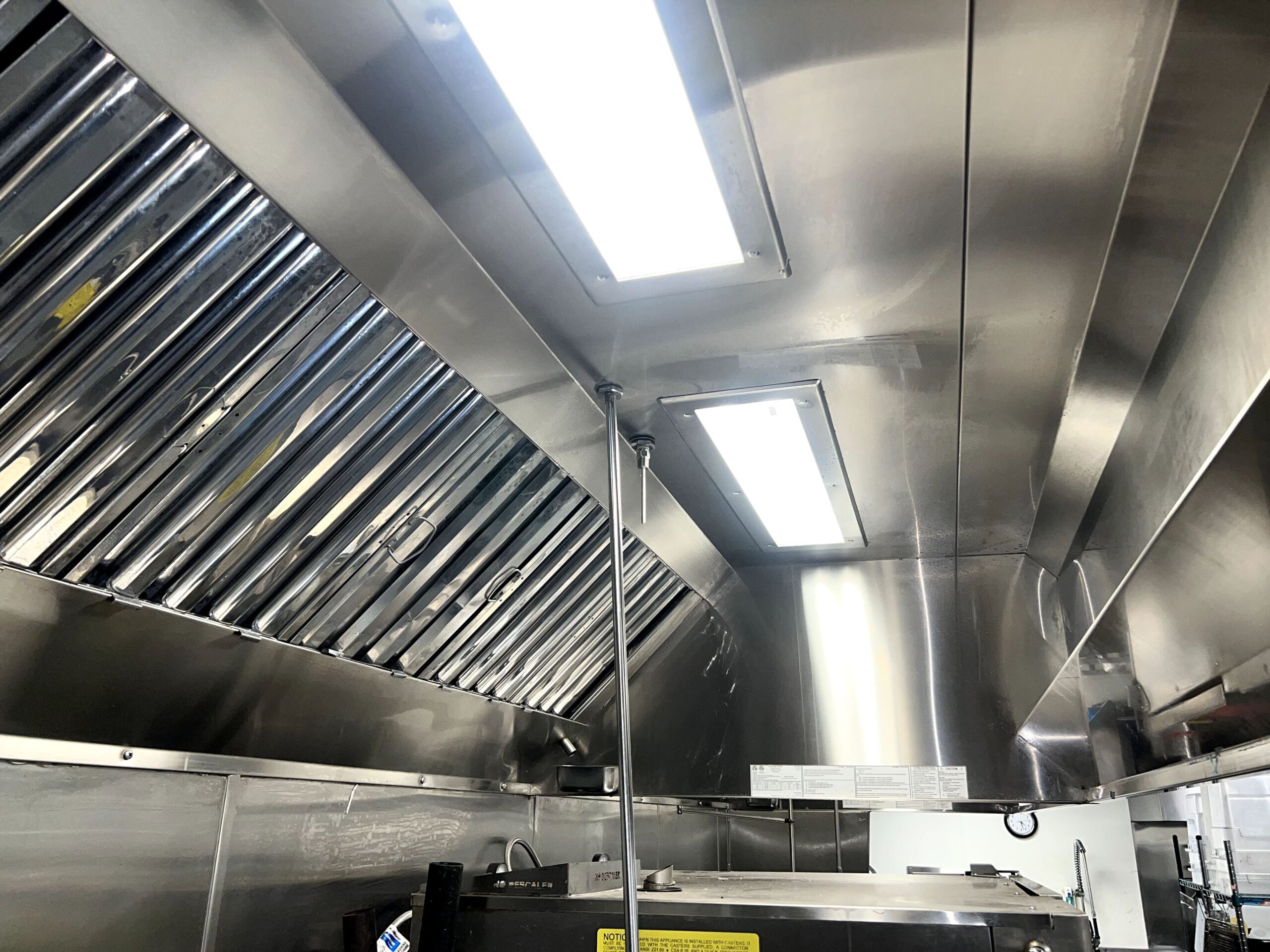
Why Compliance Matters in California
California Fire Marshals and local Authorities Having Jurisdiction (AHJ) actively enforce NFPA 96 standards. Failing to comply with mandatory cleaning schedules can lead to severe operational consequences, including:
-
Immediate shutdown orders or failed fire inspections.
-
Denial of property damage claims by insurance carriers following a fire.
-
Increased risk of severe commercial kitchen fires caused by grease ignition.
To reduce overall grease intake between deep cleanings, many facility owners opt for a structured
Routine inspections and complete documentation protect your business legally and financially. To stay updated on national fire safety codes and standards, kitchen operators can review official guidance provided by the
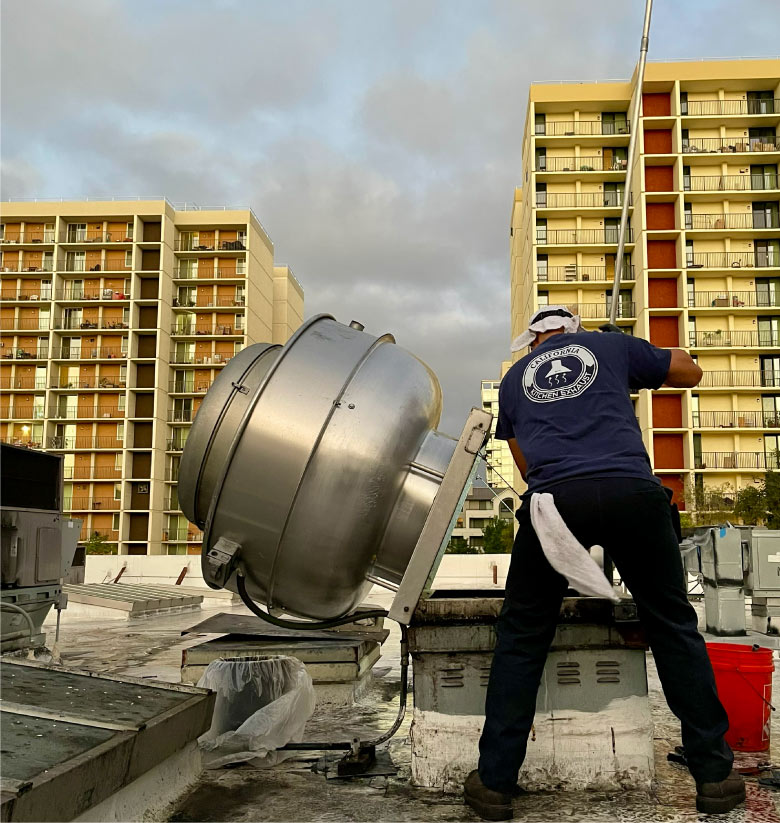
Why Choose California Kitchen Exhaust?
At California Kitchen Exhaust, we provide certified, top-tier hood cleaning and degreasing services across California.
Our certified technicians clean every component of your exhaust system down to bare metal in full accordance with NFPA 96 guidelines.
We provide detailed post-service documentation, hood certification stickers, and customized maintenance programs designed to keep your kitchen compliant, safe, and fully operational.
Frequently Asked Questions (FAQs)
What is NFPA 96?
NFPA 96 is the national fire safety standard establishing mandatory safety requirements for the design, installation, operation, and maintenance of commercial kitchen ventilation and fire protection systems.
Can kitchen staff perform commercial hood cleaning internally?
No. NFPA 96 mandates that exhaust system cleaning must be performed by trained, qualified, and certified professionals who issue written proof of service upon completion.
What happens if a commercial kitchen fails to follow NFPA 96 cleaning schedules?
Failing to meet cleaning schedules can result in municipal fines, immediate temporary closure by the fire marshal, or insurance policy non-renewal.
How is grease accumulation measured in a commercial exhaust duct?
Technicians use specialized depth gauges to measure grease thickness in microns or fractions of an inch across the hood, plenum, and ductwork.
How often does NFPA 96 require kitchen hood cleaning for food trucks?
Food trucks must follow the same volume-based rules as stationary kitchens. Most high-volume food trucks require quarterly or semiannual cleanings based on equipment type.